
Why Your Exhaust System Works Harder in Cold Weather (And How to Prevent Costly Damage)
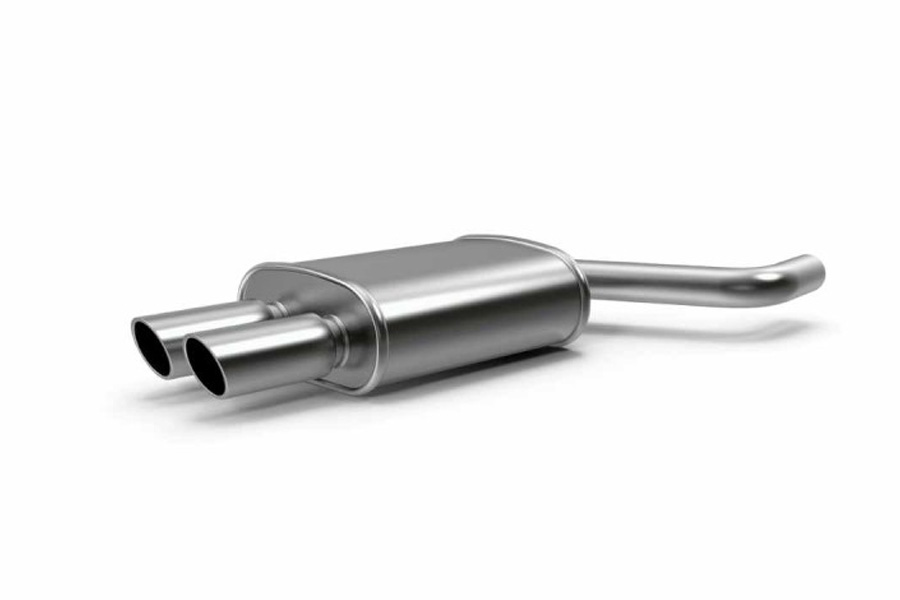
Image Source: bacauto.ca
Cold weather puts far more stress on a vehicle than most drivers realize, and a muffler shop often sees the effects long before spring arrives. Freezing temperatures, moisture, and road salt combine to accelerate wear on the exhaust system, quietly weakening components beneath the vehicle. What begins as minor surface corrosion or condensation buildup can quickly turn into leaks, rattling noises, or complete exhaust failure if left unaddressed. Because the exhaust system plays a role in performance, fuel efficiency, and safety, winter becomes a critical season for preventative inspection and maintenance. Understanding why exhaust systems struggle in cold conditions helps drivers avoid expensive repairs and unexpected breakdowns.
How Cold Temperatures Stress the Exhaust System
Exhaust systems experience extreme temperature swings during winter. When a vehicle starts cold, metal components contract, and once the engine heats up, they expand rapidly. This constant expansion and contraction weakens welds, joints, and thin metal sections over time. Repeated short trips worsen the issue because the exhaust never fully heats up, allowing moisture to linger inside the system rather than evaporating.
Condensation forms naturally as exhaust gases cool, and in cold weather, this moisture often remains trapped. Over time, water pools inside the muffler and pipes, accelerating internal rust from the inside out. Unlike visible exterior corrosion, internal rust progresses unnoticed until performance issues or loud failures suddenly appear. Cold temperatures do not cause damage alone, but they create ideal conditions for corrosion to take hold quickly.
Why Road Salt and Moisture Are So Damaging
Road salt is effective at improving traction, but it is harsh on metal components. When salt mixes with slush and water, it clings to the underside of the vehicle, coating exhaust pipes, hangers, and heat shields. This corrosive residue speeds up oxidation, breaking down metal faster than exposure to water alone. Exhaust components are especially vulnerable because they are exposed directly and operate at temperatures that worsen chemical reactions.
Moisture adds another layer of risk. Snow and ice melt during driving, creating constant wet conditions beneath the vehicle. If the car is parked outdoors or driven infrequently, moisture does not dry properly, allowing rust to spread. Vehicles that remain damp overnight face increased corrosion risk, particularly in enclosed or shaded parking areas where airflow is limited. The combination of salt, water, and temperature fluctuations makes winter the most aggressive season for exhaust deterioration.
The Role of Short Trips in Winter Exhaust Damage
Short trips are particularly hard on exhaust systems during colder months. When driving distances are brief, the exhaust system does not reach a temperature high enough to burn off condensation. Water vapour builds up inside the muffler and pipes, settling instead of evaporating. Over time, this trapped moisture eats away at metal surfaces internally, causing premature failure.
This issue is common for vehicles used mainly for errands or commuting short distances. Even newer vehicles are not immune, as modern exhaust components are often thinner and designed for efficiency rather than long-term moisture exposure. Occasional longer drives help the exhaust reach full operating temperature, reducing internal moisture buildup. Without them, corrosion accelerates quietly, often surfacing as sudden exhaust noise or performance loss.
Warning Signs Your Exhaust Is Struggling
Cold-weather exhaust damage often announces itself through sound. Rattling, knocking, or unusually loud exhaust noise indicates loose components, broken hangers, or holes forming in pipes. These sounds may appear briefly at start-up and fade as the vehicle warms, which causes many drivers to dismiss them as harmless. In reality, these are early signs of structural weakness.
Other indicators include reduced fuel efficiency, vibrations felt through the cabin, or a strong exhaust smell, especially when idling. Exhaust leaks allow gases to escape before reaching the tailpipe, affecting engine performance and increasing emissions. If left unchecked, small leaks expand quickly, leading to costly replacements rather than simple repairs. Addressing these symptoms early prevents more serious damage later in the season.
Why Exhaust Issues Are More Than Just Noise
A damaged exhaust system affects more than sound levels. Exhaust leaks can allow harmful gases to enter the cabin, particularly when the vehicle is stationary or driving slowly. Carbon monoxide exposure poses serious health risks and should never be ignored. Cold weather often leads to longer idle times, increasing the chance of exposure if leaks are present.
Performance also suffers when the exhaust system is compromised. Backpressure issues caused by damaged pipes or blocked components can reduce engine efficiency, causing sluggish acceleration and increased fuel consumption. Over time, strain on the engine increases repair costs. What begins as a muffler issue can evolve into broader mechanical problems if maintenance is delayed.
How Preventive Inspections Save Money
Preventative exhaust inspections during winter focus on identifying early signs of corrosion, loose fittings, and failing hangers. Small repairs, such as welding weak sections or replacing brackets, cost significantly less than full system replacement. Identifying problems early allows targeted repairs before damage spreads to neighbouring components.
Inspections also assess heat shields, which often loosen or rust during winter. A loose heat shield may rattle loudly but can often be repaired or secured easily if caught early. Ignoring it may lead to further damage as vibration affects surrounding parts. Regular checks help maintain system integrity and prevent unnecessary noise complaints or breakdowns.
Simple Steps Drivers Can Take in Winter
Certain habits help reduce exhaust system stress during cold weather. Longer drives, when possible, allow moisture to evaporate from the system, reducing internal rust. Parking in well-ventilated areas helps moisture dry more effectively, especially after driving through snow or slush. Avoiding excessive idling also reduces condensation buildup inside the muffler.
Keeping the vehicle clean underneath helps minimize salt accumulation. Occasional undercarriage washes remove corrosive residue that clings to exhaust components. While these steps do not eliminate winter wear, they significantly slow corrosion and extend the life of exhaust parts. Preventative care reduces surprise failures and improves reliability throughout the season.
When Repairs Shouldn’t Wait
Certain exhaust issues require immediate attention regardless of timing. Loud leaks, visible hanging components, or strong exhaust smells indicate serious problems that affect safety and vehicle operation. Cold weather accelerates deterioration, so waiting until warmer months often leads to higher repair bills.
Delaying repairs also increases the risk of collateral damage. A loose exhaust can strain mounting points, damage sensors, or affect emissions control components. Addressing issues promptly ensures that minor problems do not escalate into complex repairs that affect multiple systems.
Cold Weather Is Tough — Your Exhaust Doesn’t Have to Be
Winter places unique demands on exhaust systems, combining cold temperatures, moisture, and corrosive road conditions that speed up wear. Understanding how these factors affect mufflers and exhaust components helps drivers take proactive steps rather than reacting to sudden failures. Regular inspections, smart driving habits, and early repairs significantly reduce long-term costs and safety risks. An exhaust system that survives winter in good condition delivers quieter operation, better performance, and fewer surprises when warmer weather arrives. When it comes to winter driving, protecting what is underneath the vehicle matters just as much as what is visible on the road.