
Ceramic Coating vs Paint Protection Film: Which Should You Choose?
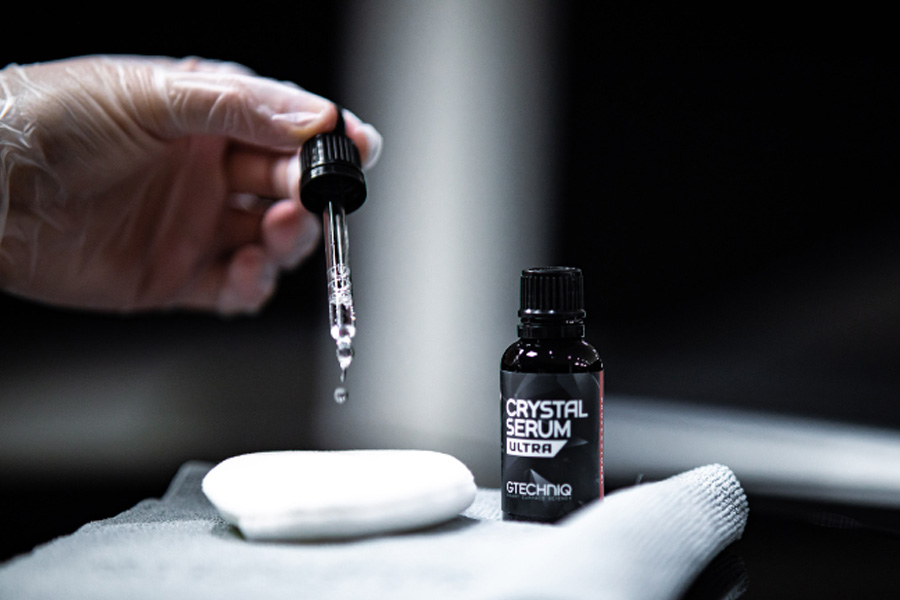
Image Source: gtechniq.com
You’ve decided to protect your car’s paint, but you’re faced with two popular options: ceramic coating or paint protection film (PPF). Both promise to keep your vehicle looking pristine, yet they work in fundamentally different ways and protect against different types of damage.
The core difference is simple: ceramic coating protects against what lands on your paint, whilst PPF protects against what hits it. Understanding this distinction is crucial for making the right choice for your vehicle, budget, and driving conditions.
Understanding the Basic Differences
Before diving into comparisons, it’s important to understand what each product actually is and how it functions.
What Is Ceramic Coating?
Ceramic coating is a liquid polymer applied to your vehicle’s paintwork that chemically bonds with the factory clear coat. Once cured, it creates a semi-permanent, hydrophobic layer that’s typically 2-5 microns thick.
The technology relies on silicon dioxide (SiO₂) nanoparticles that form molecular bonds with your paint. Gtechniq’s research on ceramic coating vs PPF explains that these coatings excel at protecting against environmental contaminants, chemical etching, UV damage, and oxidation.
Premium formulations like Gtechniq’s Crystal Serum Light use advanced nanotechnology to create coatings with exceptional chemical resistance (pH 2-12), gloss enhancement, and self-cleaning properties. The coating fills microscopic pores in your clear coat, creating an ultra-smooth surface that repels water, dirt, and contaminants.
What Is Paint Protection Film?
Paint protection film is a thermoplastic urethane film—essentially a thick, clear plastic layer—applied to your vehicle’s painted surfaces. Modern PPF typically measures 150-200 microns thick, making it substantially thicker than ceramic coatings.
According to data from Cloud10 Smart Wash, PPF offers superior protection against scratches and rock chips due to its thick, impact-resistant film. The material acts as a sacrificial barrier, absorbing impacts that would otherwise damage your paint.
High-quality PPF includes self-healing properties. Minor scratches and swirl marks disappear when exposed to heat from the sun or warm water, as the film’s memory returns it to its original smooth state.
The Fundamental Protection Philosophy
These products operate on different protective principles. Ceramic coatings create a hard, slick surface that prevents contamination from bonding to your paint. They’re excellent against bird droppings, tree sap, road tar, water spots, and UV damage—essentially environmental hazards that chemically attack paintwork.
PPF functions as impact protection. Its thickness and elasticity absorb energy from road debris, shopping trolley dings, and other physical impacts. The film takes the damage instead of your paint, which is particularly valuable on high-impact areas like front bumpers and bonnet leading edges.
Protection Capabilities Compared
Let’s examine how each product performs against common types of damage UK vehicles face daily.
Scratch and Impact Protection
This is where PPF clearly dominates. Industry data shows that vehicles equipped with PPF experience 90% less chipping than those without it. The thick urethane layer physically absorbs impacts from stones, gravel, and debris that would otherwise chip through paint.
Ceramic coatings offer minimal impact protection. Whilst premium coatings like Crystal Serum Ultra provide industry-leading scratch resistance for a coating (thanks to their dual-layer structure with 7nm and 20nm nanoparticles), they’re still only a few microns thick. A stone chip will go straight through a ceramic coating and into your paint.
That said, ceramic coatings do provide protection against minor scratches from washing and light surface marring. The hard, slick surface is more resistant to swirl marks from improper drying techniques or light abrasion than unprotected clear coat.
Chemical and Environmental Protection
Ceramic coatings excel here. The chemically bonded SiO₂ layer is highly resistant to acidic and alkaline contaminants that regularly assault UK vehicles—bird droppings, insect remains, industrial fallout, and acid rain.
Bird droppings are particularly problematic in the UK. Their uric acid can etch through clear coat within hours on a hot day. A quality ceramic coating prevents this chemical from bonding to your paint, making removal safer and preventing etching damage.
PPF also offers chemical resistance, but it’s not the primary design purpose. The film itself is resistant to yellowing from UV exposure (in quality products), and it won’t be damaged by most car care chemicals. However, contaminants can still bond to the film’s surface, requiring cleaning just like a ceramic coating would.
UV and Oxidation Protection
Both products offer UV protection, but through different mechanisms. Ceramic coatings absorb UV radiation before it reaches your paint, preventing oxidation and fading over time. This is particularly valuable for vehicles parked outdoors in direct sunlight regularly.
PPF blocks UV rays physically—the film acts as a barrier preventing UV penetration to the paint underneath. Modern films include UV inhibitors to prevent the film itself from yellowing, which was a common problem with older PPF products.
For UV protection specifically, both products are effective. Your choice won’t depend on this factor unless you’re concerned about paint fading specifically, in which case either product provides adequate protection.
Water and Contaminant Repellency
Analysis from car detailing experts confirms that ceramic coating provides superior protection against water, preventing water marks, mud, corrosion, and contaminants.
The hydrophobic properties of ceramic coatings are exceptional. Water contact angles often exceed 110 degrees, causing water to bead tightly and roll off, taking dirt with it. This self-cleaning effect means your car stays cleaner longer and requires less aggressive washing.
PPF can be hydrophobic, but typically not to the same degree as ceramic coatings. Many PPF installers actually apply a ceramic coating over the film to gain these superior hydrophobic properties—a combination approach we’ll discuss later.
Cost Analysis: What You’ll Actually Pay
Budget is often the deciding factor, and there’s a substantial price difference between these protection methods.
Ceramic Coating Costs in the UK
Professional ceramic coating application starts from around £500 for a small car, rising to approximately £2,000 for larger vehicles, according to UK pricing data from Ultimate Detailing Co.
The wide price range depends on several factors: vehicle size, paint condition (correction work needed), coating quality, and the detailer’s expertise. Premium products like Gtechniq Crystal Serum Ultra command higher prices because they’re only available through accredited installers and offer superior longevity.
A typical mid-range ceramic coating for a family saloon costs £800-1,200, including paint decontamination, correction, and application. This provides 3-5 years of protection, making the annual cost £160-400 depending on longevity.
PPF Costs in the UK
PPF is considerably more expensive. Research from UC PPF shows that full-body PPF coverage can cost several thousand pounds, whilst full front coverage typically ranges from £1,500 to £5,000 depending on the film brand and vehicle complexity.
Partial coverage options are more affordable. A front bumper-only application starts around £350-500, whilst high-impact area coverage (front bumper, bonnet, wing mirrors, and door edges) typically costs £1,500-2,500.
The labour intensity explains these costs. PPF application requires precision cutting for each panel, careful positioning to avoid bubbles or lifting edges, and heat-forming around curves and contours. A full vehicle installation can take 20-40 hours of skilled labour.
Long-Term Value Comparison
When evaluating cost, consider the protection period. Professional analyses show that ceramic coats usually last 2-5 years before reapplication, whilst PPF lasts 5-7 years with proper care.
For a £1,000 ceramic coating lasting 5 years, your annual cost is £200. For a £3,000 full-front PPF installation lasting 7 years, your annual cost is approximately £428. However, you’re getting fundamentally different protection levels, particularly against impact damage.
Consider also the potential paint repair costs you’re avoiding. A full paint respray for stone chip damage on a bonnet can easily cost £500-800. If PPF prevents even one such repair over its lifetime, it’s essentially paid for a significant portion of itself.
Durability and Maintenance Requirements
Protection longevity and upkeep requirements differ substantially between these products.
Lifespan Expectations
Research from exclusive paint protection specialists indicates that PPF generally lasts 5-10 years with proper care, outperforming ceramic coatings that typically provide 2-5 years of protection.
Premium ceramic coatings at the top end—like Gtechniq’s Crystal Serum Ultra—can approach 9-10 years with meticulous maintenance. When Crystal Serum Light is combined with EXO V5 as a dual-layer system, durability extends to approximately 7 years.
Environmental factors affect both products. Coastal vehicles face harsher conditions from salt spray, reducing ceramic coating lifespan by roughly 20%. PPF is less affected by salt but can accumulate yellowing in harsh UV environments if the film quality is poor.
Maintenance Needs
Ceramic coatings require regular maintenance washing to preserve their properties. You should wash your vehicle every 2-3 weeks using pH-neutral shampoos specifically designed for ceramic coatings. Harsh detergents or automatic car washes can degrade the coating faster than manufacturer estimates suggest.
Top-up products or “booster” sprays can refresh hydrophobic properties between washes. These aren’t mandatory but can extend the coating’s effective lifespan. Application takes minutes and costs considerably less than reapplication.
PPF maintenance is similar—regular washing prevents contamination build-up that can dull the film’s clarity. However, PPF is generally more resistant to harsh car wash chemicals. The self-healing properties work continuously without intervention, automatically removing minor surface marring.
What Happens When Protection Fails
When ceramic coatings degrade, you’ll notice reduced water beading, increased dirt adherence, and diminished gloss. The paint underneath remains in good condition (assuming the coating did its job), and reapplication is straightforward.
PPF failure is more dramatic. The film may begin lifting at edges, yellowing (in lower-quality films), or accumulating damage that no longer self-heals. Removal requires careful work to avoid adhesive residue on paint. If removed properly, your paint should be in excellent condition beneath, though you’ll need to polish before applying new protection.
Installation Considerations
The application process differs dramatically between these products, affecting both cost and DIY feasibility.
Professional Application Requirements
Both products demand professional application for optimal results, but to different degrees. Ceramic coating application requires thorough paint preparation—decontamination, polishing to remove defects, and ensuring a perfectly clean surface. The coating itself is applied with special applicators and must cure under specific conditions.
An experienced detailer can coat a vehicle in 4-8 hours after preparation work is complete. The technical skill required is moderate—attention to detail matters more than specialised equipment.
PPF installation is substantially more complex. Installers must cut patterns for each panel (or use pre-cut kits), position film precisely to avoid visible seams, squeegee out all air bubbles, and heat-form the film around curves and edges. Edge sealing requires particular skill to prevent future lifting.
This complexity is why full-vehicle PPF installations take 20-40 hours. It’s a specialised skill requiring dedicated training and equipment. Not all detailers offer PPF—it’s typically available only through specialists.
DIY Feasibility
DIY ceramic coating is realistic for enthusiastic car owners. Consumer-grade products from brands like Gtechniq (C2 Liquid Crystal), CarPro, or Gyeon are designed for home application. Whilst you won’t achieve professional-grade longevity, you can get 1-2 years of protection at a fraction of professional costs.
The key is thorough paint preparation. If you skip decontamination and polishing, you’ll seal imperfections under the coating and compromise bonding. Watch tutorial videos, invest in proper applicators, and work in a clean, dust-free environment.
DIY PPF is significantly more challenging and generally not recommended for inexperienced users. The film is expensive, mistakes are costly, and achieving bubble-free, properly aligned installations requires practice. Pre-cut kits for high-impact areas (door edges, wing mirrors) are more feasible DIY projects than full panels.
Which Protection Suits Different Scenarios?
Your ideal choice depends on your specific vehicle, driving conditions, and protection priorities.
Best for Motorway Drivers
If you regularly drive on motorways, PPF is the better choice for front-end protection. Motorway speeds mean constant bombardment from road debris, stones, and insects. Data showing 90% reduction in chipping with PPF makes it the logical choice for high-speed driving.
Consider at minimum a front-end PPF package covering the bonnet, front bumper, headlights, and wing mirrors. These areas take the most impacts and are expensive to repair if damaged.
Best for City Driving
Urban drivers face different hazards—shopping trolley dings, tight parking spaces, and environmental contaminants. Here, ceramic coating offers better overall value. The reduced impact risk makes PPF’s premium cost less justifiable.
Ceramic coating provides excellent protection against the contaminants city vehicles accumulate—bird droppings, tree sap, pollution fallout, and brake dust. The hydrophobic properties mean easier washing, which matters when you’re relying on hand car washes rather than home washing facilities.
Best for Prestige and Performance Vehicles
High-value vehicles justify the premium cost of comprehensive protection. Many owners of prestige vehicles opt for full or extensive PPF coverage because paint repairs on premium brands are extraordinarily expensive.
A new bumper respray on a Mercedes or BMW can cost £1,000-1,500. Stone chip repairs across a bonnet might cost £500-800. When you’re protecting a £50,000+ vehicle, spending £3,000-5,000 on full PPF becomes proportionate to the asset value.
Performance vehicles with delicate paint (particularly soft clearcoats on Italian cars) benefit especially from PPF’s impact protection. Track-driven cars definitely need PPF on leading edges.
Best for Lease Vehicles
If you’re leasing, your priorities shift to preventing damage that affects return condition. Ceramic coating is typically the better choice because it protects against the most common lease return issues—paint contamination, water spots, and minor surface wear.
PPF’s higher cost is harder to justify on a vehicle you’ll return in 2-4 years, unless you’re concerned about excessive motorway driving that might cause chip damage. Most lease companies are reasonable about minor stone chips, but chemical etching or paint contamination can trigger charges.
The Combined Approach: Best of Both Worlds
Many vehicle owners and professionals recommend combining these technologies for maximum protection.
Why Layering Works
PPF provides the impact protection, whilst ceramic coating provides superior hydrophobic properties and chemical resistance. Applied together, you get comprehensive protection against virtually all common paint hazards.
Industry experts frequently note that many vehicle owners choose to combine ceramic coating and PPF for maximum protection, enjoying the impact resistance of the film and the hydrophobic properties of the ceramic coat.
The application order matters: PPF is applied first to bare paint, then a ceramic coating is applied over the film. This gives the film surface the same water-repelling, self-cleaning properties as the coating would provide to paint.
Cost Considerations for Combined Protection
Combining both products increases costs, but not necessarily by the full amount of each product separately. Many detailers offer package pricing for PPF + ceramic coating that’s more economical than purchasing separately.
A typical combination package might include: – Full front PPF (bonnet, bumper, wings, mirrors, lights): £2,500 – Ceramic coating over PPF and remaining paintwork: £800 – Total package: £3,000-3,300
This still represents substantial investment, but you’re getting the longest-lasting, most comprehensive protection available. For high-value vehicles or those facing harsh conditions, the combined approach makes strong economic sense.
Strategic Partial Coverage
A smart compromise is PPF on high-impact areas (front bumper, bonnet, wing mirrors) plus ceramic coating on the entire vehicle, including over the PPF. This gives you critical impact protection where it matters most and comprehensive environmental protection everywhere.
This approach typically costs £1,500-2,000 depending on vehicle size—substantially less than full PPF but providing most of the practical protection benefits. It’s the solution many detailers recommend to budget-conscious clients seeking excellent protection.
Frequently Asked Questions
Can you apply ceramic coating over PPF?
Yes, and it’s highly recommended. Applying ceramic coating over PPF enhances the film’s hydrophobic properties, makes it easier to clean, and can extend the film’s lifespan by providing an additional protective layer against contaminants. Most professional PPF installers offer this as a package option. The coating bonds to the PPF surface just as it would to clear coat.
Which is better for preventing swirl marks?
Ceramic coating is better for preventing swirl marks. Its hard, slick surface is more resistant to light abrasion from washing and drying than unprotected paint or PPF. However, neither product makes your paint immune to improper washing techniques. Always use proper two-bucket method washing and quality microfibre towels regardless of protection type.
Does PPF affect paint warranty?
Properly installed PPF should not void paint warranties on new vehicles. However, verify with your specific manufacturer—policies vary. Most premium manufacturers accept PPF because it protects rather than modifies the paint. Keep documentation of professional installation and use reputable products. Improper installation causing paint damage would not be covered by warranty.
How do I choose between the two for my car?
Assess your primary concerns: if stone chips and physical impacts worry you most (long motorway commutes, rural driving, gravel roads), choose PPF for at least front-end protection. If environmental contaminants, ease of cleaning, and gloss maintenance are priorities (urban driving, outdoor parking, limited washing time), ceramic coating offers better value. For premium vehicles or harsh conditions, consider combining both.
Can damaged PPF be repaired, or must it be replaced?
Minor scratches self-heal with heat exposure, but significant cuts, punctures, or lifting edges require replacement of the affected panel section. PPF cannot be repaired in place—the damaged section must be removed and new film installed. This is one advantage of ceramic coatings: they can be polished off and reapplied without removing material, though this obviously requires professional work.
Making Your Protection Decision
Neither ceramic coating nor PPF is universally superior—they’re different tools for different protection needs.
Choose ceramic coating if you prioritise protection against environmental contaminants, ease of maintenance, and cost-effectiveness. It’s the practical choice for most daily drivers, particularly those in urban environments or with covered parking.
Choose PPF if you face high impact risk from motorway driving, rural roads, or want maximum protection for a high-value vehicle. The premium cost is justified when you consider paint repair expenses and resale value maintenance.
Consider combining both if your vehicle justifies the investment and you want comprehensive protection against all common hazards. Professional installations from experienced providers like Gtechniq’s accredited detailer network ensure optimal application and maximum longevity for whichever option you select.
Your vehicle’s protection is an investment in its long-term appearance and value. Choose the solution that matches your driving conditions, budget, and priorities—both options will serve you far better than leaving your paint unprotected.