

Common Causes of Slewing Ring Wear in Crane Trucks and Heavy Vehicles
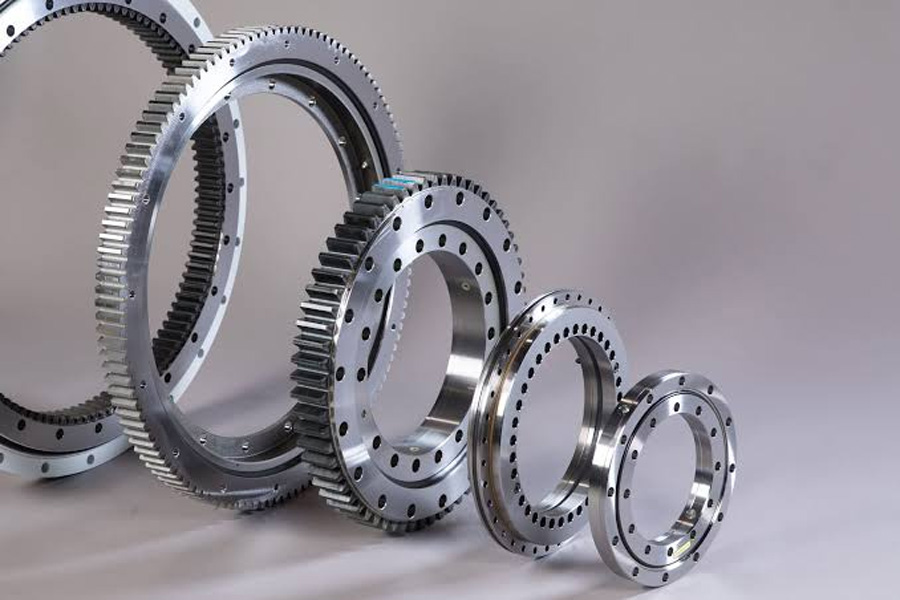
Image Source: www.defontaine.com
Crane trucks and specialised heavy vehicles depend on rotating equipment to move loads accurately and reliably. At the centre of many of these applications is the slewing ring, which supports significant axial, radial and moment loads while allowing the equipment above it to rotate.
Because of the forces involved, wear in slewing rings should never be overlooked. Understanding what causes that wear can help Australian operators improve equipment reliability and avoid unnecessary downtime.
Heavy loads leave their mark
Slewing rings are designed to handle substantial forces, but repeated heavy loading gradually affects components over time.
Operating equipment beyond its intended capacity can accelerate this process. Shock loads can be particularly demanding because they introduce sudden forces rather than applying pressure gradually.
Crane truck operators should always work within the limits of the equipment and consider how the load is positioned throughout the lifting and rotating process.
Lubrication protects moving surfaces
Correct lubrication is critical wherever large bearing surfaces are operating under load. Without sufficient lubrication, friction increases and internal wear can accelerate.
Old or contaminated grease can also become less effective, particularly on vehicles operating around dusty construction sites, mines and regional worksites.
Maintaining appropriate lubrication helps protect slewing rings while supporting smoother movement under load.
Contamination gets beneath the surface
Australia’s heavy vehicle industry operates in environments where dust, dirt, water and debris are often unavoidable.
Seals provide important protection, but damaged or deteriorated seals can allow contaminants to enter the slewing assembly. Once inside, abrasive material can damage bearing surfaces and contribute to premature wear.
Regular cleaning and inspection can help identify damaged seals before contamination becomes a larger mechanical problem.
Poor installation creates uneven forces
Slewing rings rely on accurate installation and suitable supporting structures. Uneven mounting surfaces, incorrect bolt tension or alignment problems can change how loads are distributed through the bearing.
Instead of the load being carried evenly, certain areas may experience greater pressure and wear.
Installation should therefore follow the relevant equipment specifications, particularly when components are being replaced or major repairs are completed.
Listen to the warning signs
Wear often provides clues before complete failure occurs. Unusual noises, vibration, excessive movement or changes in rotational performance should be investigated.
Routine inspections may also identify loose mounting bolts, damaged seals or unusual wear patterns.
The demanding workloads placed on Australian crane trucks make preventative maintenance particularly valuable. Regular inspection and servicing of slewing rings can help operators identify developing problems earlier, protect surrounding equipment and keep heavy vehicles productive for longer.