
Car Tint Levels Explained: Light, Medium, Dark and Limo Tint Compared
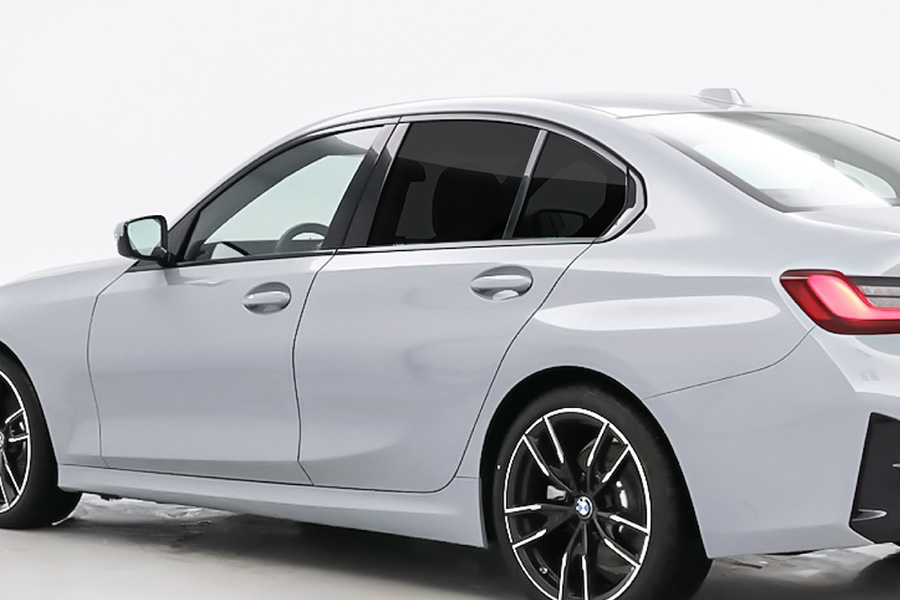
Image Source: globaltint.co.uk
Choosing window tint can be surprisingly confusing. Terms such as light, medium, dark and limo tint sound straightforward, but they do not always tell you exactly how the finished windows will look.
Two vehicles fitted with similar films can appear different because of the original glass, interior colour, lighting conditions and type of film used. Tints that look relatively light on a bright day can also appear considerably darker at night.
Understanding how car tint levels work can help you choose an option that suits your vehicle without simply selecting the darkest film available.
In this guide, we explain the differences between common tint levels, what VLT means and what to consider before choosing a shade.
What Do Car Tint Percentages Mean?
Window tint is commonly described using Visible Light Transmission, or VLT.
VLT measures the percentage of visible light that can pass through the window.
The easiest way to understand it is:
- Higher VLT percentages mean more light passes through and the window looks lighter.
- Lower VLT percentages mean less light passes through and the window looks darker.
For example, a window with a high VLT will usually have a relatively subtle appearance. A very low VLT creates the dark appearance commonly associated with privacy or limo-style tint.
However, the percentage of the film alone does not necessarily represent the final VLT of the completed window.
The existing vehicle glass also affects the result.
Light Tint: A Subtle Appearance
Light tint is a good option for drivers who want a discreet finish rather than dramatically darker windows.
Depending on the film and vehicle, a lighter tint can preserve good visibility while giving the glass a more refined appearance.
It may appeal to drivers who want some of the performance characteristics available from modern window films without making privacy their main objective.
Light tint can be particularly attractive on vehicles where a heavily darkened appearance would not suit the original design.
It is also important to remember that a lighter-looking film does not automatically make it suitable for every window. Front windows are subject to legal light-transmission requirements in the UK, so the finished glass still needs to comply.
Medium Tint: Balancing Appearance and Privacy
A medium tint sits between subtle and heavily darkened glass.
For many vehicle owners, this provides a useful balance. It can create a noticeable visual change without producing the almost-black appearance associated with the darkest films.
Medium tint can work particularly well on rear passenger windows where the owner wants increased privacy while maintaining reasonable outward visibility.
It can also help create a consistent appearance across the rear section of a vehicle.
The exact result will vary depending on the starting point. A medium film applied over glass that is already darkened can produce a considerably different result from the same film installed over clearer glass.
Dark Tint: Greater Privacy and a Stronger Look
Dark tint is generally chosen when privacy and appearance are major priorities.
From outside the vehicle, it can make the interior much harder to see. This is one reason darker rear windows are popular on SUVs, executive vehicles and cars where passengers regularly travel in the rear.
Dark films can also create a strong contrast against the bodywork.
However, darker is not automatically better.
As the amount of visible light passing through the window decreases, outward visibility can also be affected, particularly after sunset or in poorly lit environments.
Drivers should think about how the vehicle is actually used rather than choosing a film based entirely on its appearance in photographs.
What Is Limo Tint?
“Limo tint” is an informal term commonly used for extremely dark window film.
It is generally associated with very low visible light transmission and a high degree of privacy when viewed from outside.
This appearance can be desirable for certain rear-window applications, but it is not necessarily the right choice for every vehicle.
Very dark glass can reduce visibility from inside the car in low-light conditions. This may become particularly noticeable when reversing or manoeuvring at night.
Drivers interested in this appearance should also understand that the UK’s front-window restrictions still apply. A very dark limo-style film is not appropriate for a front windscreen or front side window where it would cause the completed glass to fall below the legal light-transmission requirements.
Which Tint Level Provides the Most Privacy?
As a general principle, darker windows provide greater visual privacy during daylight because less visible light passes through the glass.
However, privacy is affected by more than a single percentage.
Lighting makes a significant difference.
During a bright day, dark windows may make it difficult to see inside a vehicle. At night, especially when the interior lights are switched on, occupants and objects may become more visible.
Window tint should therefore be considered a privacy enhancement rather than something that makes the contents of a vehicle completely invisible.
Valuable items should still be removed from view when a car is parked.
Does Darker Tint Block More UV?
This is a common misconception.
The darkness of a window film and its ability to reject ultraviolet radiation are not necessarily the same thing.
Modern automotive films can be designed to provide strong UV protection without needing an extremely dark appearance.
The same principle applies to solar performance. Film technology, construction and specification matter.
This means somebody primarily interested in UV protection or improved cabin comfort should not assume they need the darkest possible shade.
Ask about the performance specifications of the actual film rather than judging its effectiveness by appearance alone.
Does Darker Tint Keep a Car Cooler?
A darker-looking film is not automatically the best-performing option for heat rejection.
Different films use different materials and technologies to manage solar energy.
A high-quality film with a relatively light appearance may outperform a darker basic film in certain areas of solar performance.
This is why selecting tint purely by shade can be a mistake.
If reducing heat inside the vehicle is your main objective, discuss heat rejection and solar performance with the installer rather than simply requesting a dark tint.
What Tint Looks Best on a Car?
There is no universal answer because different vehicles suit different finishes.
Body colour, window size, interior colour and existing privacy glass can all influence the final appearance.
A dark tint can create a dramatic contrast on a light-coloured vehicle. On a dark vehicle, it can produce a more uniform appearance.
A lighter tint may be more appropriate for classic cars or owners who want to retain an understated factory-style look.
Think about whether you want the windows to look:
- Subtle and close to the original appearance
- Noticeably darker without becoming dominant
- Privacy-focused
- Very dark and distinctive
Seeing examples on similar vehicles can make the decision easier.
Can You Put the Same Tint on Every Window?
In the UK, this is where legal requirements become important.
For most modern vehicles, the front windscreen must allow at least 75% of light through, while the front side windows must allow at least 70%.
Rear passenger windows and the rear windscreen are not subject to the same statutory visible-light-transmission limits under the general UK tint rules.
As a result, a vehicle can legally have substantially darker rear windows while keeping the front glass much lighter.
This is why many professionally tinted vehicles use different levels across different parts of the car.
The result can still look balanced when the shades are chosen carefully.
Remember That Factory Glass Already Affects the Result
One of the biggest mistakes when selecting tint is looking only at the film percentage.
The original window may already reduce some visible light.
When film is installed over that glass, the combined result determines how much light actually passes through the completed window.
This is particularly important when considering the front side windows because the legal limits leave little room for additional darkening on some vehicles.
A professional installer can assess the existing glass before recommending suitable options.
Light vs Medium vs Dark vs Limo Tint
If you are deciding between the four broad categories, think about your priorities.
Light tint is best suited to drivers who want a subtle appearance and do not want their windows to look heavily darkened.
Medium tint can provide a stronger visual change and increased privacy while retaining a more balanced appearance.
Dark tint is aimed more towards privacy and dramatic styling, particularly for rear windows.
Limo tint provides an extremely dark appearance and a high level of visual privacy during suitable lighting conditions, but outward visibility needs careful consideration.
None of these categories is automatically the “best”.
The right option depends on where the film is being fitted and what you want it to achieve.
Finding the Right Window Tint Installer
People searching for tint windows near me will usually find a mixture of specialist installers and general automotive businesses.
Price should not be the only deciding factor.
Look for an installer who can explain the different film options, assess your existing glass and discuss the legal restrictions that apply to front windows.
You should also ask about film quality, workmanship and warranty coverage.
Professional installation matters because window film needs to be fitted cleanly and precisely. Poor installation can result in contamination, bubbles, lifting edges or an uneven finish that becomes particularly noticeable in direct sunlight.
Choose Tint Based on Your Priorities
The best tint level is not necessarily the darkest one.
Start by deciding what matters most to you.
If appearance is the priority, consider how different shades complement the vehicle. If privacy matters most, a darker rear tint may be appropriate. If cabin comfort, heat rejection or UV protection is the main objective, pay close attention to the film’s technical performance rather than judging it solely by colour.
Legal requirements must also be considered whenever the front windscreen or front side windows are involved.
Global Tint UK offers professional automotive window tinting with different film options to suit a wide range of vehicles and preferences.
A good tint installation should feel like part of the vehicle rather than an afterthought. Choosing the appropriate shade, film and installer can give you a finish that looks right while delivering the practical benefits you actually want.