
Top 7 Tips to Ride Electric Scooter
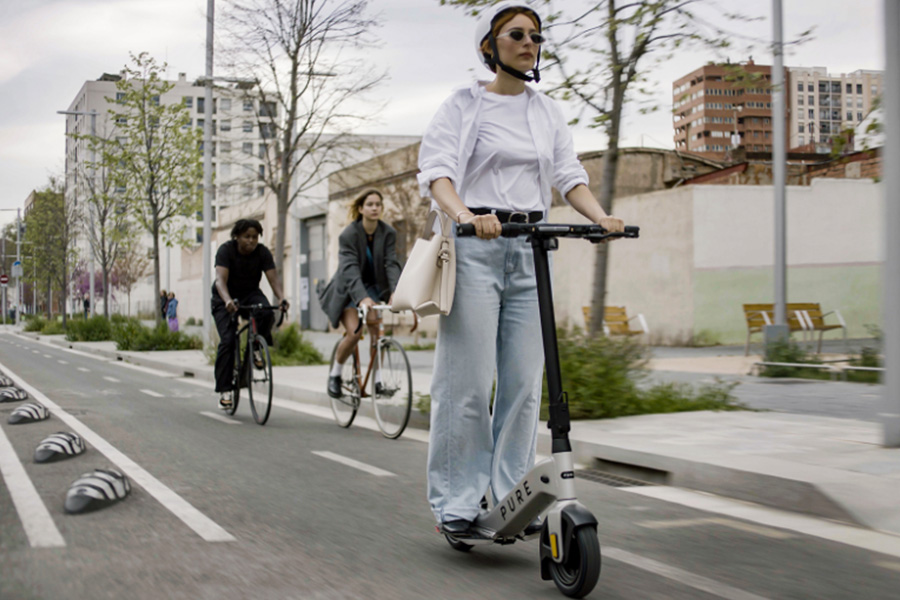
Riding high performance electric scooters can be exciting, fast, and very enjoyable, but it also requires proper skill and awareness to stay safe. Many people think riding is only about stepping on the throttle and moving forward, but it is much more than that. Good riding depends on balance, timing, body control, and understanding how the scooter reacts in different situations. When you learn these basic skills, your rides become smoother, safer, and more comfortable even at higher speeds.
The best electric scooters are designed with safety features and this guide is made to help you understand the most important riding skills in a simple way. Instead of rushing into advanced tricks, it focuses on the basics that every rider should learn first. The main skills are stopping, turning, and starting. These three actions are the foundation of safe riding. Once you master them, you will feel more confident and in control no matter where you ride.
Getting Ready Before You Ride
Before riding, it is very important to check your scooter carefully. A quick check can prevent accidents and problems later on. Make sure the brakes are working properly, the tires are not worn out, and the battery is charged enough for your trip. Tire pressure should also be correct because it affects how stable and smooth your ride will be. Properly inflated tires give better grip and help you avoid slipping, especially on rough or wet roads.
Wearing safety gear is also very important every time you ride. A helmet is the most basic and necessary protection because it protects your head in case of a fall. You can also wear gloves, knee pads, and elbow pads for extra safety. These may feel optional, but they can greatly reduce injuries. It is also a good idea to practice in a wide, open space like an empty parking lot before going on busy roads. This helps you get used to the scooter without pressure or danger.
How to Stop Your Electric Scooter Safely
Stopping is one of the most important skills in scooter riding because it helps you stay safe in unexpected situations. Even though it seems simple, it actually requires good control and balance. You need to understand how much pressure to apply on the brakes so you can stop smoothly without losing control. Learning this skill takes practice, but it becomes natural over time.
If you brake too softly, the scooter may not stop in time, which can be dangerous if there is an obstacle ahead. On the other hand, if you brake too hard, your body may lean forward too much, and you could lose balance or even fall. The key is to find the right balance where you slow down quickly but still stay stable on the scooter.
Tip: Lower Your Body When Braking
When you need to stop quickly, bending your knees and lowering your body helps a lot. This position keeps your center of gravity lower, which makes you more stable. It also helps shift your weight slightly backward so you do not fall forward when the scooter slows down suddenly. This simple movement can make a big difference in safety, especially during emergency stops.
Tip: Use a Wide and Stable Stance
Keeping your feet spread out on the scooter deck gives you better balance and control. A wider stance helps you stay steady when braking or turning. It also makes it easier to shift your weight forward or backward depending on what the situation needs. With good foot placement, you can react faster and stay more stable even on uneven roads.
Tip: Use Both Brakes When Possible
If your scooter has both front and rear brakes, using them together is the safest option. The front brake gives strong stopping power, while the rear brake helps keep the scooter balanced. When used together correctly, they help you stop faster and more smoothly. It is a good idea to practice braking in an empty space so you can understand how much pressure to apply without slipping or losing control.
Also remember to brake in a safe way by not stopping suddenly, avoiding braking while turning, and keeping both hands on the handlebar. On wet roads, you need to be extra careful because grip is lower and stopping distance becomes longer. Slowing down early is always safer than braking too late.
Turning, Starting, and Safe Riding Habits
Once you learn how to stop properly, the next important skill is turning and starting smoothly. These actions may seem simple, but they require good coordination and awareness. Turning is not just about moving the handlebars—it also involves your body position and where you are looking. Starting well also matters because it sets the tone for your balance and control during the ride.
When you combine good turning skills with smooth starting habits, your riding becomes more natural and less stressful. You will feel more in control even in busy or tight spaces. These skills also help you ride more safely at different speeds and road conditions.
How to Turn an Electric Scooter
Turning a scooter is not just a small movement of the hands. It involves your whole body working together. Good turning depends on balance, timing, and looking in the right direction. When you turn properly, your scooter follows your body naturally instead of forcing the movement.
Tip: Lead With Your Eyes and Body
One of the most important turning habits is to always look where you want to go. Your eyes should guide your movement first. When you look in a certain direction, your head follows, then your shoulders, and finally your body and scooter. This chain reaction helps you turn more smoothly and safely. It also reduces sudden movements that can cause imbalance.
You can also lean slightly into the turn to improve grip and control. This helps the scooter stay stable while moving through curves. At higher speeds, leaning becomes even more important because it helps balance the force of the turn.
Turning at Different Speeds
At slower speeds, you can rely more on the handlebars to steer the scooter. Small movements are enough to change direction safely. However, at higher speeds, leaning your body becomes more important than turning the handlebars too much. Leaning helps keep the scooter stable while it moves through turns.
When you understand the difference between slow and fast turning, you can adjust your riding style easily depending on the situation. This makes your riding smoother and more controlled.
Understanding Scooter Control and Handling
Every scooter feels different when you ride it. Some scooters are light and easy to turn, while others are heavier and need more effort. Because of this, it is important to get used to each scooter before riding fast or making sharp turns. A short test ride can help you understand how it reacts.
You can try small left and right movements before reaching a corner. This helps you feel how stable or responsive the scooter is. Once you understand its behavior, you can ride more confidently. Knowing your scooter well reduces surprises and helps you stay safe in different road conditions.
How to Start and Ride Smoothly
Starting your scooter correctly is very important because it sets your balance from the beginning. A smooth start helps you stay stable and in control as you begin moving. Many riders forget this step and rush, which can lead to wobbling or loss of balance.
Tip: Keep Both Hands on the Handlebar
Always keep both hands on the handlebar while riding. Scooters can react quickly when you press the throttle, and using only one hand can make it harder to control. With both hands, you have better balance, better steering control, and faster reaction time. This is especially important when riding at higher speeds or on uneven roads.
Tip: Look Far Ahead
Instead of looking only at the ground in front of your wheel, always look far ahead on the road. This gives you more time to see obstacles like potholes, bumps, or debris. When you see problems early, you can react calmly instead of suddenly swerving or braking.
A scooter moves fast, so looking too close reduces your reaction time. By scanning the road ahead, your ride becomes smoother and more predictable. This simple habit can greatly reduce the risk of accidents.
What to Do in Sudden Situations
Sometimes, obstacles appear too quickly to avoid. In these moments, your reaction needs to be fast but controlled. The best action is to shift your weight slightly backward, bend your knees, and try to reduce impact. If possible, lifting the front wheel a little can help reduce shock when hitting small obstacles.
If a fall is unavoidable, try to move away from the scooter and protect your head and body. Do not panic, because sudden panic can make the situation worse. Staying calm helps you react better and reduce injury.
Final Safety Tips for Better Riding
To become a better rider, it is important to build good habits every time you ride. Always wear safety gear like a helmet, even for short trips. Check your scooter before riding to make sure everything is working properly. Practice in open areas if you are still learning or trying new skills.
Avoid riding too fast in places you are not familiar with. Always stay focused on the road and avoid distractions like your phone. Make sure your tires are properly inflated because this affects both safety and comfort. Small habits like these can make a big difference in your overall riding experience.