
Why Regular Oil Changes Are Essential for Engine Longevity?
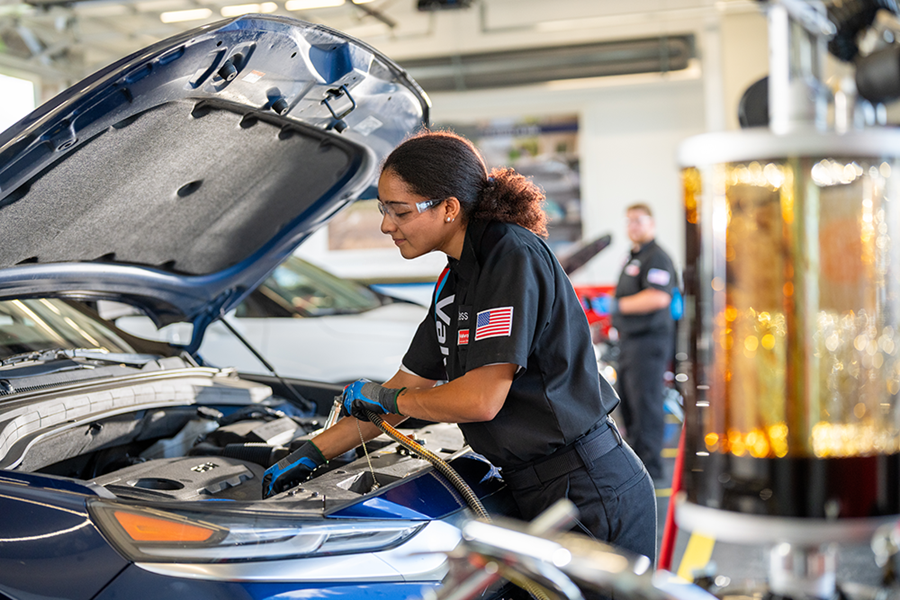
Image Source: www.store.vioc.com
Engine oil is essential to the proper operation of your car’s engine, which is its heart. Friction, heat, and debris accumulation can harm essential parts without routine oil changes, resulting in expensive repairs or even engine failure.
Engine oil serves several vital purposes that safeguard your engine, making it more than just a lubricant. Knowing its function makes it easier for you to understand the importance of routine maintenance.
What does engine oil do?
Lubrication: By coating moving components like bearings, camshafts, and pistons with oil, wear-causing friction is reduced. Metal parts grind against one another when they are not properly lubricated, which speeds up degradation.
Heat reduction: Heat is produced during combustion. This heat is absorbed and dispersed by oil, which helps shield delicate engine components from overheating.
Cleaning: To keep the engine clean and prevent sludge development, oil collects dirt, metal shavings, and combustion byproducts. Contact an oil change service in Kingston to get the best for your car.
Corrosion prevention: Oil additives prolong the engine’s life by shielding internal parts from rust and corrosion.
Engine oil types
Conventional oil: Made from crude oil, it is the least expensive but needs to be changed most frequently, usually every 3,000 to 5,000 miles.
Synthetic oil: Designed for optimal performance, synthetic oil has a longer lifespan of 7,500–10,000 miles and is more resilient to high temperatures. It is perfect for vehicles operating in high-stress situations or for modern engines.
Synthetic blends: A combination of synthetic and traditional oil that is less expensive than a complete synthetic while providing superior protection.
How do oil changes increase engine life?
Not only do regular oil changes keep your car running, but they also shield your engine from wear and increase its lifespan by several years.
Cutting down on tear and wear
Friction between engine parts rises when oil deteriorates or gets filthy. Pistons, cylinders, and bearings deteriorate as a result of metal-to-metal contact. Fresh oil reduces wear by ensuring a smooth protective barrier.
Avoiding sludge accumulation
Sludge is produced when old oil decomposes and combines with debris and combustion byproducts. Overheating and failure result from this sludge’s blockage of oil passageways and decreased lubrication. Frequent oil changes remove impurities before they solidify.